brief -
Privacy Is Normal
A look at private relayers, stealth addresses, and tools for reducing what Ethereum activity reveals.
Gm, it's Wednesday, November 18, 2026.
A major thank you to Bojan from Liquity Protocol and Blaine Malone from Cloaked for their recent donations to the ETH Daily Security initiative. We currently have $169 of $2,175 needed to qualify for TheDAO Fund. Every contribution counts, if you are able to, please donate to the initiative here.
In today's issue, I will be going over some privacy tools [on Ethereum]. I always like to explore using Ethereum. It feels like it's been a while since we've had serious apps to explore. There was no daily briefing yesterday.
The Private Relayer

Ben from Armada, a privacy protocol focused on stablecoins, built a zero-fee private relayer. A relayer is like a third party that executes your withdrawal from privacy protocols. When you deposit into a privacy protocol, there is a challenge of how to pay gas without linking to your doxed wallet addresses. A relayer basically pays the gas on your behalf to execute the withdrawal transaction.
Most relayers charge a fee for offering this service. Ben, who is much into privacy tools (highly recommend following him on X), released a fee-less relayer, initially for Privacy Pools, available at privacypools.gwei.limo. This relayer only takes the gas fee and a buffer and routes the request over Tor.
Stealth Address Flow

Anon Wallet, a stealth address wallet leveraging Railgun for privacy, outlined the stealth address flow for interacting with apps on Ethereum. Stealth accounts are wallets that generate wallet addresses designed for single-use, sometimes also called ephemeral (aka temporary addresses. The goal is to use a different address per use case app session, such as receiving a payment or depositing into DeFi apps, without leaking your entire net worth and transaction history.
It starts with a fresh stealth address that can be funded from a privacy protocol. This breaks the link between the fresh address and all your other wallets. Once funded, you can connect this fresh address to the DeFi app of your choice. When you're done or ready to withdraw, you just re-deposit the same funds into a privacy protocol. There are other wallets that can do this too, such as Cloaked.
One potential issue is that you can break your privacy if you deposit and withdraw the same amount to and from privacy protocols (e.g. Railgun and Privacy Pools). Privacy isn't guaranteed, but rather it's the use of random patterns and various privacy tools to help keep your digital data from leaking. One of the most important things is to use a VPN and not connect all your wallets to the same RPC provider. We'll dive into this in future posts.
The Nymis Privacy Scanner
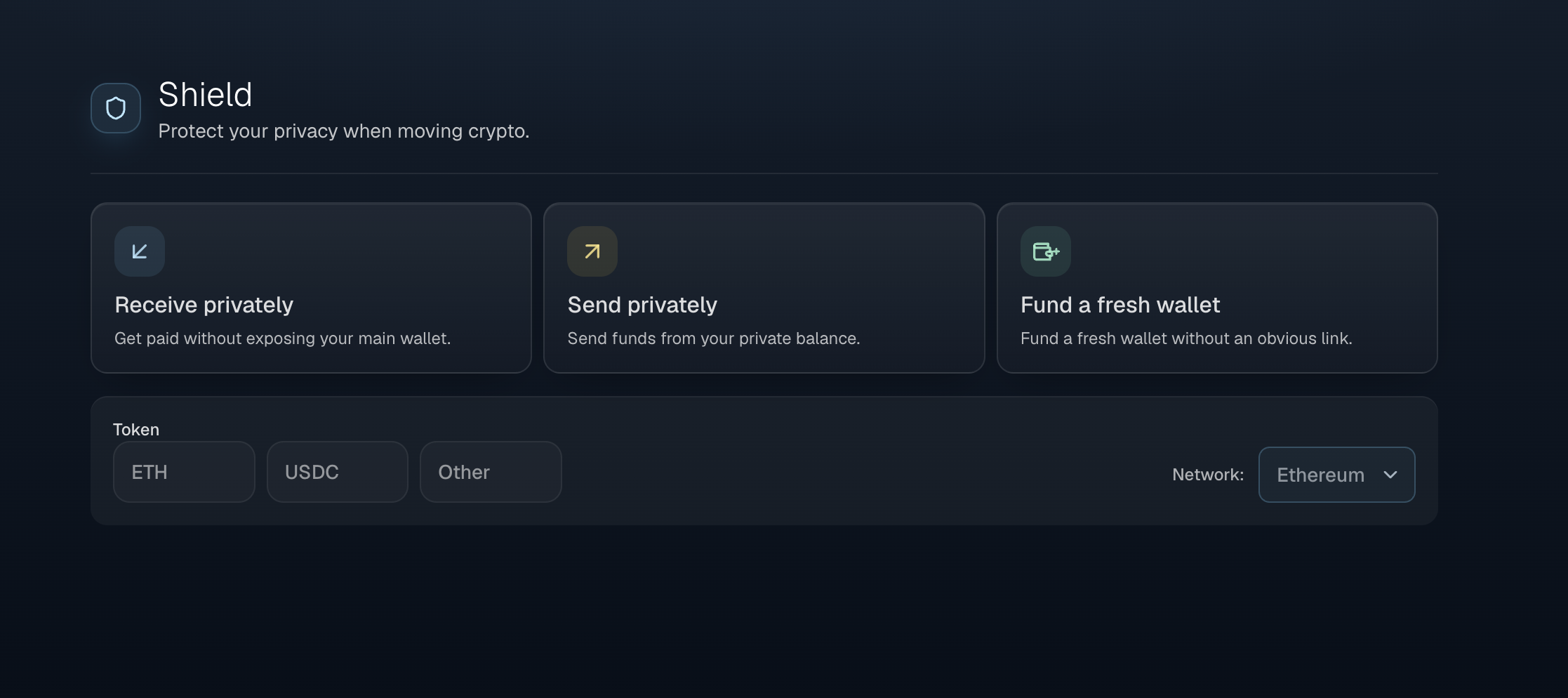
Nymis is a privacy tool from Bojan that helps you understand what connections can be made from your Ethereum address. You simply paste a wallet address and it tells you the most closely linked addresses, potential KYC points, and online social profiles connected to it. Nymis recently launched Nymis Shield, a new tool that aims to help you determine what protocol to use when making a privacy-aware transaction on Ethereum.
There are about a dozen privacy protocols: Tacit, Privacy Pools, ZK Money, Railgun. Each one has unique properties that make it best suited for a particular use case. Nymis Shield will provide guidance on what app to use when sending, receiving, or funding a private transaction.
Why should I care about Privacy?
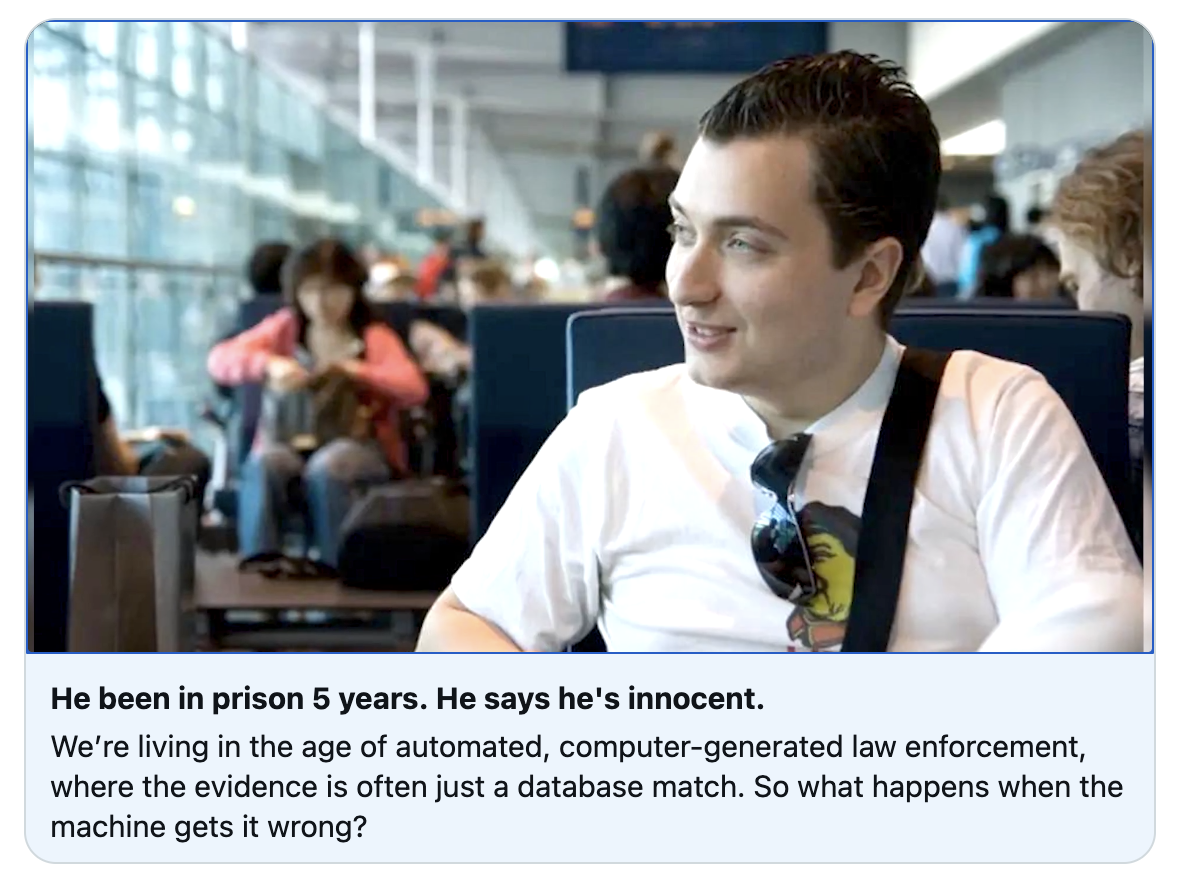
Today, I came across an interview between Naomi Brockwell and Roman Sterlingo, a Swedish-Russian national convicted in the U.S. for allegedly operating Bitcoin Fog. It's well worth the watch.
[Spoiler Alert] Sterlingo was just a user of Bitcoin Fog and the interview notes that he was targeted because his personal information was easily available. He had voluntarily uploaded his personal information on his Mt. Gox account. If you don't care about privacy, you are simply making yourself a low-hanging fruit.
A key lesson here is to stop giving away your personal information. Every form, every search, every action is an entry in a database that can be used against you. My favorite message from this interview is that saying you don't need privacy if you have nothing to hide is like saying you don't need free speech because you have nothing to say.
Privacy is normal.
Security
Etherscan detected attempts to gain unauthorized access to its platform. Ledger released an update on its reseller supply chain attack, but no word on compensation.
If you found this issue helpful, please donate to ETH Daily Security.
Disclaimer: Content is for informational and educational purposes only and does not constitute financial, investment, legal, or other professional advice. No representations or warranties are made as to accuracy, completeness, or timeliness. Use of this content at your own risk, and you should consult a qualified professional before making decisions. No fiduciary or advisory relationship is created